Table of Contents
Toggle
Rated 5.0
on Google
Let us help when you need it most
We've Recovered Over 52 Million Dollars for Our Clients


In Arkansas, you have the right to take legal action against the person who abused you, and against any organization, like a school, church, or business, that allowed it to happen. Through a civil lawsuit, you can file a civil claim to hold your abuser and the institution accountable and to seek compensation for what you’ve lost – physically, emotionally, and financially. These cases aren’t just about the past. They’re about giving you the support and recognition you need to move forward.
The legal process doesn’t have to feel like another burden. At Gates Law Firm, PLLC, we understand the courage it takes to come forward. You deserve an advocate who can help defend your rights under the law and push for the justice and financial recovery you deserve.
If you’re ready to talk, call (501) 779-8091 today. Start a private conversation with an Arkansas sex abuse lawyer who can advocate for your rights and push for the full measure of compensation and accountability that Arkansas courts can deliver. The first step is a conversation – private, pressure-free, and focused on what matters to you.


Free Consultation

No win, No fee

Top Attorneys

Outstanding Results
Client testimonial


Ashlee Pinkston
Mr Gates represented me in the best way possible! I was very satisfied with the service I received and definitely would use him as my lawyer in the future! Very kind. Quick to…
Beyond compensation
We fight to expose wrongdoing and prevent future harm.
Free Consultation

Arkansas survivors deserve a legal team that can deliver real results, treat you with genuine care, and keep financial stress off your shoulders. Court records show that civil juries have awarded everything from five‑figure settlements to multi‑million‑dollar verdicts in sex‑abuse cases. Those outcomes don’t happen by chance; they happen when lawyers blend courtroom skill with trauma‑informed practice rooted in Arkansas rules.
The heart of our work is helping you reclaim power. We do that through a proven record of high‑value claims, survivor‑centered representation, and fees that depend on success, not on your savings account.
Healing can stall when the legal process feels harsh or dismissive. Trauma‑informed advocacy flips that script. It asks how legal steps affect your safety, privacy, and emotional well‑being, then adjusts procedures to reduce re‑traumatization.
Here’s what that looks like in practice:
You’ve endured enough. Let our Arkansas sex‑abuse attorney at Gates Law Firm PLLC turn proven results, trauma‑informed care, and risk‑free representation into forward motion for you. You pay nothing upfront, and nothing at all if the case does not recover compensation.
Call (501) 779‑8091 or visit gateslawpllc.com for a free, confidential consultation and start your path toward full civil justice today.
Client testimonial

Jen L
Joseph is a wonderful advocate for his clients. He’s compassionate, hard working, and effective at getting maximum justice. I would send a family member and friend to him. I highly recommend him!
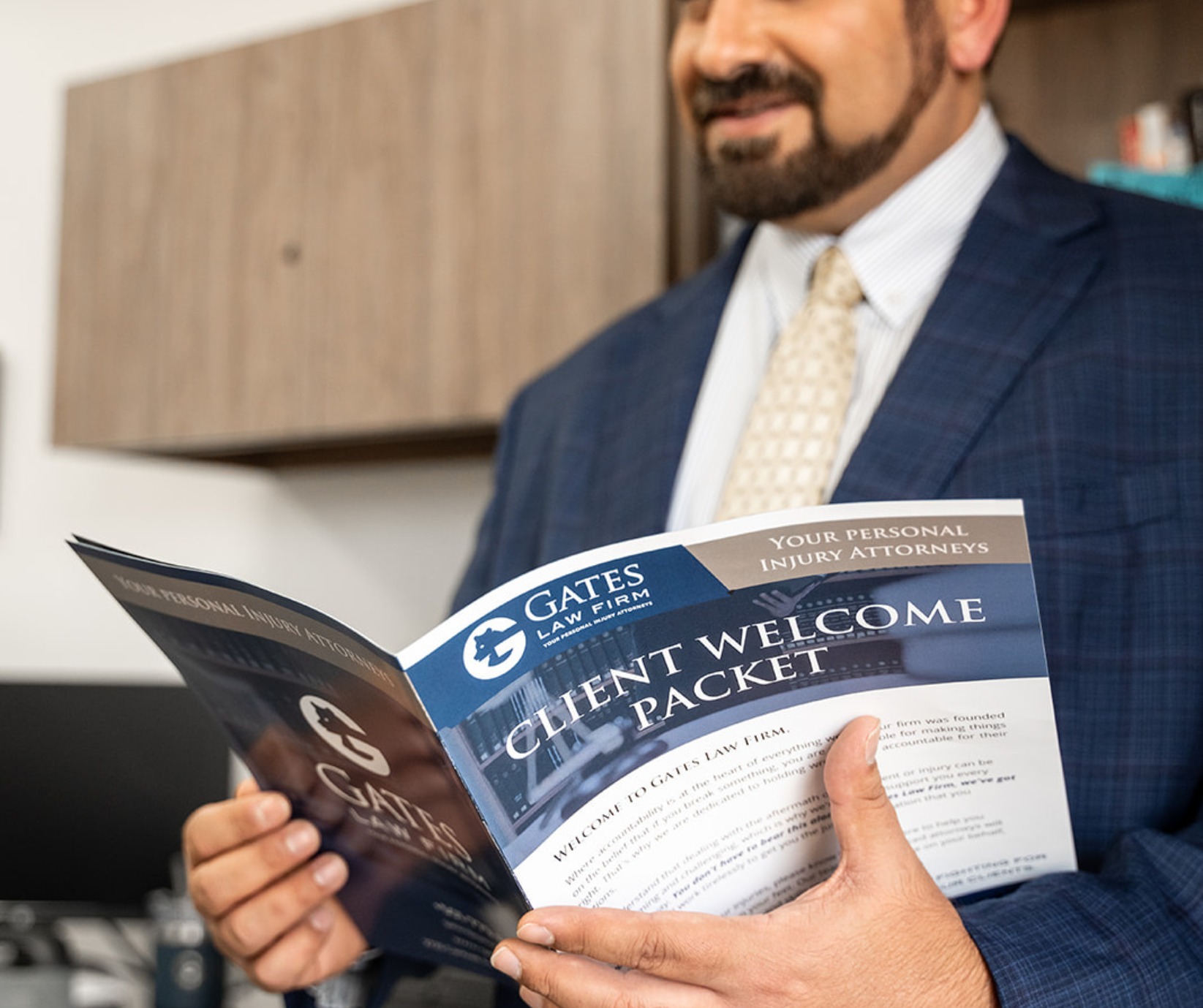
Sexual abuse can happen in many forms and many settings. Arkansas law recognizes a wide range of situations where survivors may have the right to take legal action. While every case is deeply personal, certain patterns tend to show up again and again. Below are some of the most common types of sexual abuse cases seen in civil lawsuits across the state. If your experience feels different, that doesn’t mean a claim can’t be filed; reach out for a consultation, and we will talk it through together.
| Type of Sexual Abuse Case | Common Examples |
|---|---|
| Clergy & Religious Institution Abuse | Churches ignoring past complaints, relocating abusive clergy, unscreened volunteers in youth ministries |
| School, Teacher & Coach Misconduct | Grooming students, isolating athletes, failure to investigate prior incidents |
| Daycare & Youth Organization Abuse | Unsupervised children, no background checks, poorly monitored overnight events |
| Workplace Sexual Assault | Abuse by supervisors or coworkers, ignored complaints, negligent hiring |
| Healthcare & Long-Term Care Abuse | Abuse by staff in hospitals, nursing homes, or assisted living facilities |
| Family or Trusted Adult Abuse | Abuse by relatives, neighbors, babysitters, or friends |
| Online Exploitation & Image-Based Abuse | Non-consensual sharing of explicit images or videos online |
Trust between a faith leader and a congregant is sacred. When that trust is broken through abuse, Arkansas courts allow you to bring a civil action against both the offender and the church, diocese, or governing body that allowed the misconduct to continue.
In these lawsuits, our attorneys can move quickly to secure personnel files, prior incident reports, and testimony that can show negligent supervision. Your privacy stays front-and-center; pleadings can use initials and protective orders to shield your name from public view.
Classrooms and playing fields should be safe spaces. Arkansas recognizes claims for negligent hiring, negligent retention, and breach of duty when a district, private academy, or athletic program looks the other way.
We work with child psychologists and education experts to demonstrate how the abuse affected your or your loved one’s education, mental health, and future earning capacity. Many survivors prefer securing a settlement to spare themselves a public trial; others want their day in court. The strategy is always yours to choose.
Caregivers for the very young have a heightened duty under Arkansas Code § 9-27-303. Civil liability can extend to daycare owners, franchise operators, scouting leadership, and camp directors who failed to screen staff or enforce safety rules.
Because memories fade fast at this age, we rely on medical records, contemporaneous statements, and any video footage to build a strong evidentiary foundation.
In some cases, abuse takes place on the job – between coworkers, supervisors, or contractors. Employers may be held responsible under negligent hiring or supervision claims, especially when they ignore red flags or fail to act on prior complaints.
These claims often run parallel to an EEOC charge, but the civil suit gives you a broader path to damages for counseling, lost income, and the trauma you carry home after each shift.
Hospitals, mental health centers, nursing homes, and assisted living facilities are also named in civil suits when medical professionals or staff abuse patients or residents. Arkansas law provides specific protections for long-term care residents under the Adult and Long-Term Care Facility Resident Maltreatment Act, and facilities can be sued when they allow abuse to occur under their roof.
Some of the most difficult cases involve abuse from a family member, family friend, or someone in a position of trust, like a babysitter or neighbor. These cases can involve both physical and emotional manipulation and may go unreported for years. Even when the abuser isn’t linked to an institution, civil claims may still move forward against individuals or estates.
With the rise of social media and digital platforms, civil claims are increasingly being filed over image-based abuse, such as non-consensual sharing of explicit photos or videos. In Arkansas, survivors can pursue compensation when private images are shared without consent, especially when the harm causes emotional trauma, harassment, or job loss.
Each of these case types is different, but they share one thing in common: survivors have the right to seek justice under Arkansas law. Civil lawsuits give you the chance to hold the people, and sometimes the institutions, accountable for what happened, and to pursue the financial support you need to heal and rebuild.
Our skilled Arkansas sex-abuse attorney at Gates Law Firm PLLC is ready to stand with you. If any of these scenarios sound familiar, call (501) 779-8091 for a free, confidential consultation. While the conversation costs nothing, the peace of taking action can mean everything.
Client testimonial

Debbie Hatfield
Gates lawfirm was very professional and easy to work with. Joseph handled my daughter and granddaughter’s case efficiently and communicated with us very well. We…
Beyond compensation
We fight to expose wrongdoing and prevent future harm.
Free Consultation

Joseph Gates is a skilled trial lawyer dedicated to ensuring that every individual, no matter their background, is treated fairly under the law. He believes in the power of the civil justice system as a place where the meek and the powerful are held to the same standards. With over a decade of experience, Joseph has built a reputation for taking on cases involving personal injury, car and trucking accidents, product liability, and traumatic brain injuries. In 2020, he founded Gates Law Firm, PLLC, to provide exceptional representation to clients in Arkansas.
A proud Arkansas native, Joseph grew up in El Dorado and later earned his J.D. from the University of Arkansas School of Law. He is actively involved in the Arkansas Trial Lawyers Association (ATLA), the American Association for Justice (AAJ), and multiple other legal organizations. As a devoted husband and father of three daughters, Joseph brings both compassion and determination to each case he handles.
Client testimonial

Amber Souriyavong
I Was definitely in very good hands! Joseph was very professional and I am more than happy with the outcome. He is very down to earth and understanding. I appreciate Joseph taking on my case.
Learn More
Surviving sexual abuse takes courage, and so does reaching for justice. Arkansas gives you the right to bring a lawsuit in civil court that focuses on your healing, your losses, and your future. Below you’ll find the key points you need to know right now.
When the state brings a criminal case against an abuser, the focus is on punishment, and you may only be involved as a witness. A civil lawsuit is different. It’s your case, and it’s about your recovery. You’re in control of the process, and the goal is to help you heal and move forward.
Through a civil claim, you can seek compensation for things like medical expenses, counseling costs, lost wages, emotional distress, and in serious cases, punitive damages meant to hold the abuser or institution publicly accountable.
The legal standard in civil court is also different. Instead of proving guilt beyond a reasonable doubt, you only need to show that it’s more likely than not that the abuse happened. That lower burden of proof gives many survivors a stronger chance to be heard and to get justice on their own terms.
For childhood sexual abuse, Arkansas law gives you three years from the day you discover the link between the abuse and your injuries to file suit. Earlier attempts to create a longer “look‑back” window were struck down by the Arkansas Court of Appeals in February 2025, so the original deadline once again applies . Because the clock can run quickly, meeting with a lawyer as soon as possible protects your rights.
Arkansas requires many professionals to call the Child Abuse Hotline the moment they have reason to suspect a child is being abused.
If you belong to one of these groups and fail to report, you can face criminal charges. If you do report in good faith, you are protected from civil or criminal liability. Knowing this duty can empower you to act if a child discloses abuse, or if you witnessed signs of harm years ago and wish to add a supporting report to your civil claim today.
Abuse rarely happens in a vacuum. Arkansas courts recognize lawsuits against schools, churches, businesses, and other institutions when negligence allowed an abuser access to victims. In Saine v. Comcast Cablevision of Arkansas, the Supreme Court confirmed that employers may be directly liable for negligent supervision or retention when they knew, or should have known, that an employee posed a danger .
To succeed, you and your attorney typically show:
Proving these elements can unlock additional insurance coverage or corporate assets that help cover long‑term therapy and other needs.
You’ve already shouldered more than anyone should. Let an Arkansas sex abuse attorney at Gates Law Firm, PLLC stand beside you, gather evidence, and fight for the full compensation you deserve.
Call (501) 779-8091 today for a free, confidential consultation. Your path to recovery can start with one conversation.
Money can’t undo what happened, but Arkansas law does give you the chance to hold the people or institutions that failed you financially responsible. Compensation in these cases generally falls into three categories: the real-life expenses tied to the abuse, the emotional toll it’s taken on you, and, in severe cases, an added amount meant to punish those who knowingly allowed it to happen.
You may be able to recover the cost of things like hospital visits, counseling, prescriptions, and even future therapy. Emotional pain, like anxiety, PTSD, or loss of enjoyment in life, also counts – and in Arkansas, there’s no cap on what a jury can award for it. If a school, church, or employer ignored clear warning signs, the court can add punitive damages to make sure they feel the weight of their failure.
Your health and peace of mind deserve full value, not excuses. An Arkansas sexual abuse attorney at Gates Law Firm PLLC can gather the bills, document the trauma, and push for punitive damages when an institution looked the other way.
Ready to talk? Call us today at (501) 779‑8091 for a free, private consultation.
Time limits matter because once the clock runs out, a court will likely refuse to hear your case. Arkansas sets different filing windows based on your age at the time of the abuse and a few special circumstances.
If the abuse happened after you turned 18, Arkansas follows two basic deadlines:
Missing either date usually bars your lawsuit, so it pays to mark the calendar the moment you feel ready to act.
Arkansas gives people abused as children more breathing room. You have three years from the day you first connect the abuse to an injury, emotional, physical, or both, to file suit, even if that realization happens long after your 18th birthday.
For many, that “aha” moment surfaces in therapy, during a health crisis, or when a new report reveals the abuser’s pattern. Once that link clicks, the three‑year timer starts. Early legal advice can help you gather records and memories while they’re still fresh.
Arkansas law pauses or “tolls” the statute of limitations in a handful of situations:
Because every tolling argument rests on specific facts, a prompt, confidential legal review can clarify whether extra time applies to you.
Deadlines should never decide your future; action should. Speak with our seasoned Arkansas sex abuse lawyer at Gates Law Firm, PLLC today. We’ll track the exact filing date, prepare the paperwork, and fight for the compensation you deserve before the window for filing closes.
Call (501) 779-8091 for a free consultation and explore your legal options.
Client testimonial

Darin Watson
Joseph advised us, fought for us, and I could tell he really cared about us. A very good man, and although I hope we’ll not need his services again, I would not hesitate to call him if we did.
Building your lawsuit is like building a house: your story is the foundation, solid evidence is the frame, and Arkansas court rules are the blueprint that holds everything together. Our team digs for every useful detail, lines up qualified witnesses early, and shields your privacy at every step so the process works for you, not the other way around.
The first job is collecting proof that speaks for you when you can’t be in the room. We start with a timeline, then track down records others may have overlooked.
After a lawsuit has been filed, we use Arkansas Rule of Civil Procedure 45 subpoenas to compel reluctant third parties – schools, churches, phone carriers- to turn over what they hold. Subpoenas can demand records or require a witness to sit for a deposition within 100 miles, and the court can fine anyone who ignores them.
Qualified medical professionals, forensic psychologists, and financial analysts often give jurors the technical link between the abuse and your losses. Arkansas Rule 26 makes each side disclose these witnesses, their opinions, and the data they relied on at least 90 days before trial, so surprises are rare and you see their credentials in advance. Rule 26 also protects draft reports and attorney‑consultant emails, letting you speak freely with your team without handing strategy to the defense.
When needed, we schedule corporate‑representative depositions under Rule 30(b)(6) to force an institution to pick a spokesperson who answers for every missing policy or training record. This step often uncovers systemic failures that boost settlement value.
Your name never has to become clickbait. Arkansas courts let survivors file under “Jane Doe” or initials, keeping your identity out of searchable dockets while the case moves forward. Judges across the country, including those cited in advocacy guides, routinely grant similar anonymity requests when sensitive facts are involved.
Administrative Order 19 allows clerks to redact addresses, birth dates, and other personal details before documents go online, and it lets the judge seal portions of the record that contain graphic medical information. Even sexual‑assault‑kit inventory data remains confidential until trial, protecting you from unwanted exposure during discovery.
Every strong case is built on three premises: gather every evidence, present it clearly, and keep you safe throughout the fight. Our Arkansas sex abuse attorney at Gates Law Firm PLLC can shoulder that work so you can focus on healing.
Call (501) 779-8091 today for a free, confidential consultation. Your voice matters, and with the right team, it can be heard on your terms.
SCHEDULE A FREE CONSULTATION
Contact Us Today. Request a Free Case Review. No Cost, No Obligation.
If you’ve experienced sexual abuse, you have the legal right in Arkansas to seek compensation and hold those responsible accountable. Arkansas law gives you options, whether the harm happened recently or years ago. Even if criminal charges were never filed, you may still be able to bring a civil case and fight for damages. But these rights come with strict deadlines. Missing them could mean losing your chance to pursue justice, no matter how strong your story is.
At Gates Law Firm PLLC, you’re treated with dignity, and your case is handled with the attention it deserves. We work on a contingency basis, so you don’t pay anything unless your case succeeds. You’ve already endured enough. Let someone take the legal weight off your shoulders.
Contact (501) 779‑8091 today to speak with someone who will listen, explain your legal options, and help you move forward.